
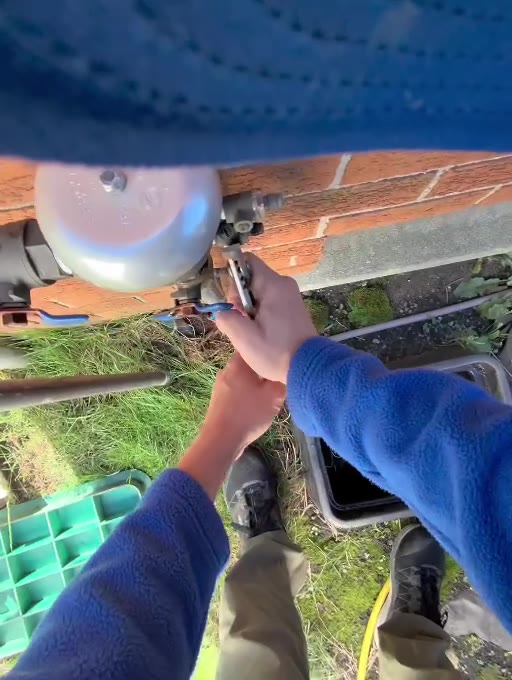
Not every sprinkler winterization involves a twelve-zone lawn or a complicated pump system. Hunter HydroTech recently winterized a 3-zone city-water irrigation system near the broad 14 Mile and Schoenherr corridor in Warren, Michigan.
The smaller zone count makes this a useful field example because it shows what does not change when the irrigation system is compact. The water source still has to be identified and isolated correctly. Each active zone still needs to be operated. Exposed irrigation plumbing still needs seasonal attention, and the controller still needs to be left in an appropriate off-season state.
The corridor reference is intentionally broad and is not the customer's address.
Three zones does not mean three shortcuts
A small residential sprinkler system may use one zone for the front lawn, another for the rear lawn and a third for a side yard or landscape area. The exact layout varies, but each station controls a separate portion of the field system.
Winterization needs to move water from all active sections. Clearing one visible group of sprinkler heads does not establish that the other laterals are ready for freezing weather.
This Warren system was supplied by city water
Because the system used city water, the source-side shutdown is different from a lake, pond or well-pump system. A city-water irrigation supply is isolated before compressed air is used so fresh water is not continuing to enter the irrigation mainline during the blowout.
The technician then works through the controller stations individually. The goal is controlled movement of water from the underground irrigation piping rather than simply applying as much air pressure as possible.
Why a small system can still have freeze exposure
Zone count does not determine whether trapped water can freeze. A three-zone system can still contain underground laterals, valves, fittings, sprinkler heads, a backflow assembly or exposed irrigation plumbing that remains vulnerable during a Michigan winter.
Reducing the amount of trapped water throughout those components is the reason the system is winterized before sustained freezing conditions.
The controller is only one part of the shutdown
Turning the sprinkler timer to OFF does not remove water from the irrigation system. The controller sends electrical commands to the valves; it does not drain underground pipe.
Likewise, blowing air through the system without correctly isolating the irrigation water supply can create an incomplete shutdown. Winterization is a sequence involving the water source, field zones and final off-season condition.
Watching the zones provides useful information
As each Warren station is operated, the technician can observe whether the zone opens normally and whether the sprinkler heads respond as expected. A station that does not activate, a valve that stays open or a visibly damaged head may create a note for repair.
The seasonal appointment does not need to turn into an unnecessary repair project, but obvious problems should be documented rather than ignored.
Small systems are a good example of why pricing should reflect the actual setup
A three-zone city-water system generally requires less station time than a fifteen-zone pump-fed property, but both need the correct process for their installed equipment. Hunter HydroTech uses service-area and system-type pricing rather than pretending every irrigation system has the same seasonal scope.
For current local service information, visit sprinkler winterization in Warren or the main Southeast Michigan winterization page.
What can be checked while a smaller sprinkler system is being winterized
A three-zone system may be physically smaller, but it still gives the technician an opportunity to observe how the irrigation system responds before it is shut down for winter. Each station should activate when commanded, the valve should respond normally, and the visible sprinkler heads should operate without an obvious uncontrolled leak or failure.
If one station does not activate, the problem may involve the controller, station wire, common wire, solenoid or valve rather than the winterization equipment itself. If a valve will not close normally, that condition should be documented instead of assuming the system is ready simply because compressed air reached the sprinkler heads.
Why documenting the water source matters for future service
Recording that this Warren property is a city-water irrigation system also gives Hunter HydroTech better service history for future spring start-up or repair work. A technician returning to the property already knows that the system is not dependent on a lake, pond or well pump and can begin future diagnosis with the correct source-side expectations.
That kind of field history becomes more valuable over time. Zone count, water source, controller type, valve conditions and repairs can build a useful service record instead of treating every appointment as though the property has never been seen before.
Why this field example belongs in the Knowledge Center
Hunter HydroTech documents both large and small irrigation systems because real field examples are more useful than implying every property looks like the largest project on the website. The Warren job shows the compact end of the range: city water, three zones and a straightforward residential seasonal shutdown.
Compare that with the larger Shelby Township field work documented during the same season, where pump-fed systems add source-side equipment and much larger station counts.
To schedule fall service, book Hunter HydroTech online or call 586-221-0730.
From the Field
Quick Project Video Clips
Short Hunter HydroTech field clips showing the diagnosis, repair process, installation details or final system testing discussed in this article.
Warren 3-Zone City-Water Winterization Field Clip
Real 2026 Hunter HydroTech field footage from a 3-zone city-water sprinkler winterization near the 14 Mile and Schoenherr corridor in Warren, Michigan.
What you're seeing
A short field clip documenting the exterior irrigation connection and seasonal winterization work on the verified Warren 3-zone city-water system.
Real Project Documentation
Project Photo Gallery
See the diagnosis, repairs, materials and finished work from this Hunter HydroTech project.
Frequently Asked Questions
How many zones were on this Warren winterization?
Where in Warren was this winterization completed?
Does a 3-zone sprinkler system still need winterization?
Was this Warren sprinkler system city water or pump fed?
Does turning the sprinkler controller off winterize the system?
Professional Irrigation Service
Need help diagnosing your sprinkler system?
Hunter HydroTech provides residential and commercial irrigation repair, pump-system service, valve diagnosis, controller troubleshooting, backflow service, revamps and seasonal maintenance throughout Southeast Michigan.
Related Case Studies Guides
Shelby Township 2026 Winterization Field Report: City Water, Lake Pump & Well Pump
Hunter HydroTech documents three real Shelby Township winterizations: a 9-zone city-water system near 24 Mile and Van Dyke, an 8-z...
Read guide →Rochester Hills Sprinkler Leak Detection: Using Air and Mist to Narrow an Underground Line Leak
Hunter HydroTech used controlled air during a Rochester Hills irrigation diagnosis and watched for visible mist escaping from the...
Read guide →Royal Oak Sprinkler Repair After a Recent Revamp: Valve Box, Solenoid & Wiring Failures
Hunter HydroTech diagnosed a Royal Oak irrigation system after a relatively recent revamp developed multiple valve and wiring prob...
Read guide →